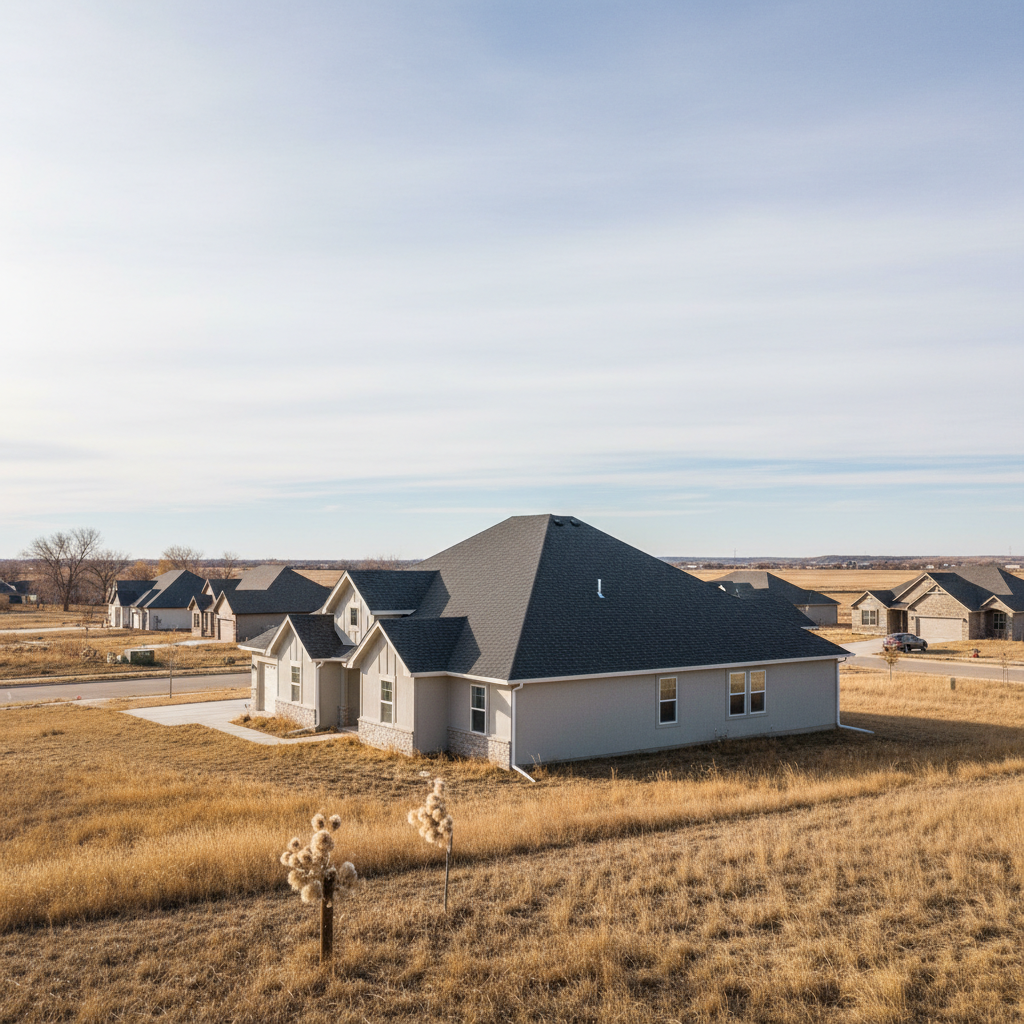
Building a new home or adding on here in Garden City? That's really exciting! But let's talk about the roof for a minute, because around these parts, it's not just about picking a color you like. Our local climate means you've got to think smart about when you build and what you put on top.
When's the Best Time to Roof New Construction?
You might think any sunny day is good for roofing, but that's just not true, especially for new builds. I've seen it all in my time, and here's my honest take:
- Spring (Late March to May): This is often a sweet spot, no doubt about it. The ground's thawed out, temperatures are usually pretty mild, and you get some decent daylight hours. We're usually past winter's deep freezes, but not yet sweltering in the brutal summer heat. The main thing to watch out for? Those sudden spring thunderstorms that can blow in fast.
- Fall (September to November): Another excellent window. The summer heat has finally backed off, and we typically get a nice stretch of clear, cooler days. This is perfect for materials to set properly without getting baked or frozen. You still need to keep an eye on early cold snaps or strong winds, which can pick up quickly across the plains, can't they?
- Summer (June to August): It's certainly doable, but it's tough work. The heat can be brutal, often hitting the high 90s or even triple digits. That's hard on the crew, and it can affect how some materials, like asphalt shingles, behave. They get super pliable in extreme heat, which makes them more prone to damage during installation if they're not handled just right. Plus, summer brings its own set of severe storms – hail, high winds, and torrential downpours.
- Winter (December to Early March): Honestly, we try to avoid major new roof installations in winter if we possibly can. Freezing temperatures make shingles brittle, and sealants just won't cure properly. Plus, working on an icy or snowy roof is just plain dangerous. If you absolutely have to build then, we'll take extra precautions, but it's not ideal for your roof's long-term health.
Weather Conditions That Really Matter
It's not just the season; it's the specific weather on any given day. Here's what we, as your roofers at Garden City Roofing Pros, are always watching:
- Temperature: Too cold, and shingles are stiff; sealants won't bond. Too hot, and they're too soft, easily scuffed or torn. There's a sweet spot, generally between 45°F and 85°F, where most materials install best.
- Wind: This is a big one for us in Garden City. We get some serious gusts out here, especially across those open fields just north of town. High winds during installation can be dangerous for workers and can literally rip newly laid shingles right off before they've had a chance to seal. We just can't work safely or effectively when the wind's whipping like that.
- Moisture: You can't install a roof on a wet deck. Period. Moisture trapped underneath can lead to rot, mold, and all sorts of headaches down the line. We need dry conditions, both for the roof deck and when we're applying underlayment and shingles.
- Hail: Our nemesis! We've all seen what a good Kansas hailstorm can do. If there's a risk of hail, we're not putting a new roof on. It's just asking for trouble, and you want your new roof to be pristine from day one, right?
Protecting Your New Investment Year-Round
Once that beautiful new roof is on, you want it to last. Here's how to protect it:
- Regular Inspections: Don't just wait for a leak. I recommend a professional inspection at least once a year, preferably after a big storm season (like late spring or late fall). We can spot small issues – a loose shingle, a bit of flashing coming up – before they turn into big, expensive problems.
- Keep Gutters Clean: This sounds simple, but clogged gutters mean water backs up, sits on your roof edges, and can cause rot or ice dams in winter. Keep 'em clear, folks.
- Trim Trees: If you've got trees overhanging your new roof, keep them trimmed back. Branches rubbing can wear down shingles, and falling limbs are a major cause of damage during storms.
- Ventilation is Key: A well-ventilated attic helps regulate temperature and moisture, which extends the life of your roof. Make sure your attic isn't a sauna in summer or a freezer in winter.
- Know Your Warranty: Understand what your manufacturer's warranty covers and what your installer's warranty covers. It's your protection, after all.
Building new is a big deal, and getting the roof right from the start is crucial for your home's longevity and safety. If you're planning a project, give us a call at Garden City Roofing Pros. We can help you plan around our unique weather and make sure your new roof is built to last.