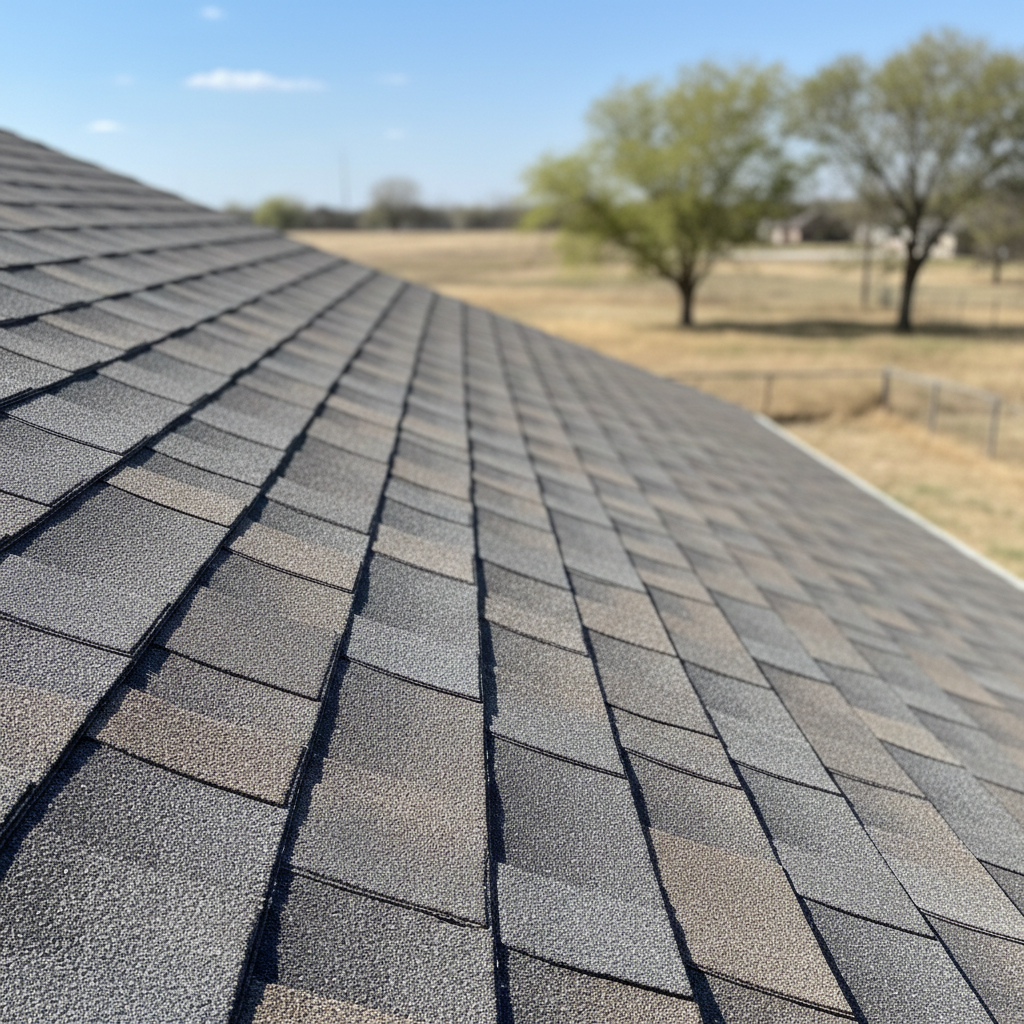
Alright, let's talk about your roof. Most folks don't really think about it until there's a problem, right? But a little proactive checking can save you a whole lot of headache and money down the road. I'm not saying you need to climb up there with a hardhat every weekend, but knowing what to look for and when to call a pro is just smart homeownership, especially here in Garden City where our weather can be pretty wild.
Before You Even Think About Getting on the Roof
First things first: safety. Seriously, don't be a hero. If you're not comfortable on a ladder, if it's windy, if your roof is steep, or if you've got any health issues, just stay on the ground. It's not worth a fall. A good pair of binoculars can do a lot of the work from a safe distance, by the way. Also, make sure you've got sturdy shoes with good grip if you do decide to get up there. And never, ever go up alone. Have someone spot you, or at least know you're up there.
Before you start, gather your tools. You'll want those binoculars, maybe a camera or your phone for pictures, and a notepad. If you're going up, a sturdy ladder, work gloves, and a soft-bristled brush for clearing debris can be helpful.
What You Can Check From the Ground (or a Ladder's Edge)
This is where most homeowners can make a real difference without taking unnecessary risks. Walk around your house and look up. Here's what I tell people to keep an eye out for:
- Missing or Damaged Shingles: Can you see any shingles that are curled, cracked, or completely gone? Strong winds, like the ones we get blowing across the plains here, can really tear at shingle edges.
- Granule Loss: Look in your gutters. Are they full of shingle granules? Those little sand-like bits protect your shingles from the sun. If you see a lot, it means your roof is getting old and losing its protection.
- Sagging: Does any part of your roof look like it's dipping or sagging? That's a big red flag for structural issues or serious water damage.
- Flashing Issues: Flashing is that metal material around chimneys, vents, and skylights. It's supposed to create a watertight seal. If it looks bent, rusted, or separated, you've got a potential leak spot.
- Gutter Condition: Are your gutters overflowing, clogged with leaves, or pulling away from the fascia? Clogged gutters can cause water to back up under your shingles, leading to rot and leaks.
- Moss or Algae Growth: A little bit isn't always a huge deal, but extensive growth can trap moisture and degrade your shingles.
- Interior Signs: Don't forget to check inside your house! Look for water stains on ceilings or walls, especially in attics or top-floor rooms. That's a sure sign of a leak.
Take pictures of anything suspicious. It's a good way to track changes over time and show a professional exactly what you're concerned about.
When It's Time to Call Garden City Roofing Pros
Look, I'm all for homeowners being handy, but some things are just best left to the experts. If you see any of these, don't hesitate to call us:
- Major Damage: If you've got large sections of missing shingles, obvious holes, or significant sagging, that's not a DIY fix.
- Active Leaks: If water's dripping into your house, you need immediate professional attention to prevent further damage.
- Steep or High Roofs: If your roof is too steep or too high for you to comfortably and safely access, don't risk it.
- Complex Roof Structures: If your roof has multiple valleys, dormers, or skylights, there are more potential leak points that require a trained eye to inspect properly.
- Post-Storm Inspection: After a big hailstorm or high winds, even if you don't see obvious damage from the ground, it's smart to get a professional inspection. Hail damage, in particular, can be hard to spot but can severely compromise your roof's integrity. Just last spring, we saw a lot of homes in the north part of town, near the golf course, that looked fine from the street but had significant hail bruising once we got up close.
- Buying or Selling a Home: A professional roof inspection is a must for real estate transactions.
- Age of Roof: If your asphalt shingle roof is 15-20 years old, it's nearing the end of its life, and a professional assessment can help you plan for replacement.
A professional inspection goes beyond what you can see. We're looking at the whole system – the decking, ventilation, insulation, and all the little details that keep your home dry and safe. We've got the specialized equipment and the experience to spot problems you might miss. It's part of keeping your biggest investment protected.
After Your Inspection (DIY or Pro)
If you did your own ground-level check and everything looks good, great! Keep an eye on it every spring and fall, and especially after any severe weather. If you found some minor issues, like a few loose granules or a small patch of moss, you can often address those yourself with a soft brush and a gentle rinse.
If you called us out, we'll give you a detailed report on what we found, along with recommendations and an estimate for any necessary repairs. Don't feel pressured to make a decision on the spot. Take your time, ask questions, and make sure you understand the scope of work. Our goal at Garden City Roofing Pros isn't just to fix roofs, it's to give you confidence in your home.
Ultimately, a little vigilance goes a long way. Your roof is your home's first line of defense against the elements. Treat it right, and it'll treat you right for years to come.