Thinking About a Flat Roof? Here's the Deal.
Flat roofs – or low-slope roofs, as we often call them in the business – aren't just for big commercial buildings anymore. You'll spot them on modern houses, garage additions, porches, and even some older places right here in Garden City, especially downtown. They're a whole different animal compared to your standard sloped shingle roof. If you're a homeowner considering one, you really ought to know what you're getting yourself into.
First off, no roof is truly "flat." They always have a slight slope, just enough to get water off. If they didn't, you'd have standing water, and that, my friend, is a flat roof's worst enemy. That's how leaks start, and once water finds a way in, it's a real pain to find and fix.
Before You Start: Planning and Materials
So, you're looking at a flat roof. What can you handle yourself, and what absolutely needs a professional touch? Well, planning is definitely something you can dive into. Think about what you need this roof to do. Is it just a cover for a shed, or is it part of your main living space? That changes things quite a bit, doesn't it?
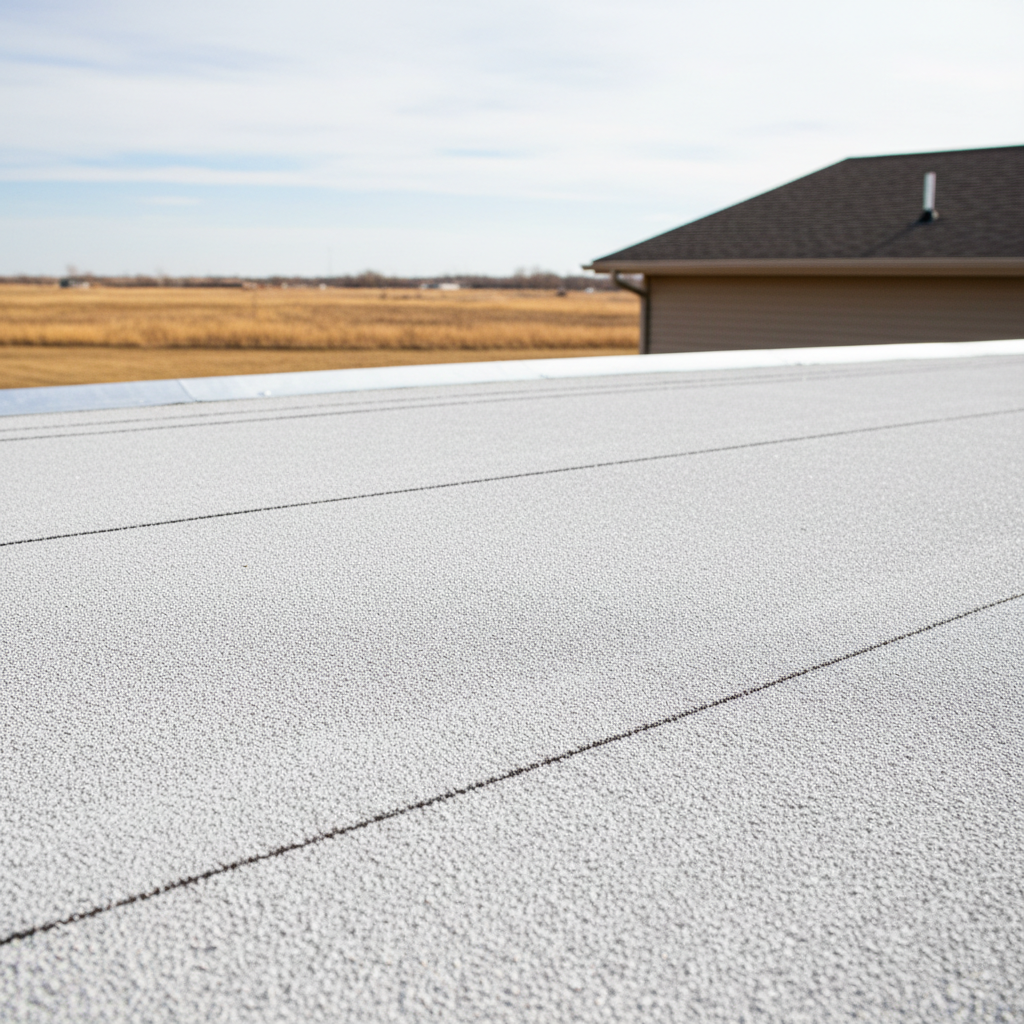
When it comes to materials, you've got a few main types for low-slope roofs. The ones we work with most often here at Garden City Roofing Pros are TPO (Thermoplastic Polyolefin), EPDM (Ethylene Propylene Diene Monomer – basically a big rubber sheet), and Modified Bitumen (often called 'mod bit' – it's like a tougher, more flexible version of the old tar and gravel). Each has its good points and bad points, and they're all installed differently.
DIY for a flat roof? Look, for a small shed or a dog house, maybe. If you're handy and follow instructions to the letter, you could probably put down some rolled roofing or even EPDM. But for anything attached to your house, or anything bigger than, say, 100 square feet, you're really pushing your luck. The biggest reason? Getting the slope right, properly sealing seams, and making sure water drains away. If you mess that up, you'll be calling us anyway, and it'll probably cost more to fix your DIY attempt than if you'd just called us from the start.
During the Project: What to Expect from Pros
If you hire a professional like Garden City Roofing Pros, here's what you should expect. We'll kick things off with a good, thorough look at the existing structure. We're checking out the decking, the framing, and figuring out how we're going to connect to any existing walls or other roof sections. This step is super important for making sure the new roof has a solid base and won't leak where it meets other parts of your house.
Then comes the tear-off, if there's an old roof up there. This can get messy, but a good crew will keep things tidy and protect your property. After that, we'll get the deck ready, making any necessary repairs or adding insulation. With flat roofs, insulation is a big deal for saving energy, especially with our hot summers and cold winters here in Garden City. We'll then put down the new membrane, whether it's TPO, EPDM, or mod bit. This means carefully sticking or welding seams, flashing around anything poking through like vents or skylights, and making sure the edges are finished correctly.
You should expect clear communication all through the job. We'll tell you what we're doing, why we're doing it, and when we think we'll be finished. Don't be shy about asking questions; it is your house, after all.
After the Installation: Maintenance and Longevity
Once your new flat roof is on, your job isn't completely done, but it's a lot easier. The biggest thing you can do yourself is regular inspection and cleaning. I'm talking about getting up there (safely, please!) a couple of times a year, especially after big storms or those high winds we get plenty of around here.
Look for debris like leaves, branches, or even trash that might have blown up there. Clear it off, especially from around drains and scuppers. If those get blocked, water will just sit there, and that's a problem. Check for any obvious damage: punctures, tears, or lifted seams. Sometimes, a small repair, like a patch, can stop a much bigger, more expensive leak later on. If you spot something small and feel comfortable, you might be able to clean it or put on some sealant. But for anything more than a tiny surface scratch, or if you're just not sure, call us. Don't mess around with a potential leak.
You'll also want to keep an eye on the flashing where the roof meets walls or other structures. That's a common spot for trouble. A well-installed flat roof, properly maintained, can easily last you 20 years or more. But neglect it, and you'll be calling us a lot sooner than you'd like. A little proactive care goes a long way in protecting your investment.
Final Thoughts
Flat roofs are fantastic options for many homes and additions in Garden City. They offer a clean look and sometimes even usable space. Just remember they're a bit different from your typical shingle roof and need specific expertise for installation to make sure they work like they should. While some minor maintenance is DIY-friendly, leave the heavy lifting and complex repairs to the pros. It'll save you headaches and money in the long run.